Our winterization solutions protect facilities from extreme Midwest conditions, freezing risks, ice buildup, and winterrelated downtime.
Cold weather can affect exposed piping, instrumentation, roof drainage, and the surfaces people use to move around a facility. Preparing these areas before temperatures drop helps facility teams address vulnerabilities and plan the protection each application requires.
RELCON helps customers evaluate process winterization, freeze protection, and anti-icing needs as part of a coordinated approach to cold-weather operation.
What Does Facility Winterization Include?
Winterization prepares systems and equipment for low temperatures and winter weather. Depending on the facility, this can include heat tracing, insulation, heated enclosures, tubing bundles, and systems designed to manage snow or ice in specific areas.
A practical plan considers exposure, operating temperatures, available power, controls, and maintenance access. Freeze protection and de-icing applications have different requirements, so each area needs an application specific review.
Our Winterization & Anti-Icing Services
We evaluate exposed equipment, operating temperatures, and site conditions to help customers address freezing risks, ice buildup, and winter-related downtime. Our approach connects heating, insulation, controls, and maintenance planning around the areas your facility needs to protect.
Process Winterization
Cold weather can disrupt fluid handling and affect exposed piping, valves, and instrumentation. RELCON helps customers evaluate protection based on the temperatures their processes require, including periods of reduced flow or shutdown.
Planning considers:
- Operating requirements: Identify which systems need freeze protection and which require higher temperatures to maintain process conditions.
- Equipment exposure: Review outdoor locations, unheated spaces, and vulnerable piping or components.
- System readiness: Evaluate heat tracing, insulation condition, controls, and pre-winter inspection needs.
Defining these requirements early helps teams prioritize
work before freezing weather arrives.
Pipe & Fire Sprinkler Freeze Protection
Piping in loading docks, parking structures, and other unheated areas can face freezing conditions. RELCON helps customers evaluate pipe freeze protection around
the installation and the service it supports.
Key considerations include:
- Pipe and site conditions: Review pipe size, material, insulation, and expected low temperatures.
- Heating and controls: Coordinate heating cable selection, temperature sensing, and monitoring requirements.
- Inspection and support: Consider access for testing, maintenance, and troubleshooting.
Fire sprinkler applications require particular attention to equipment suitability, installation requirements, and system monitoring. Protection should be evaluated for
the specific sprinkler installation.
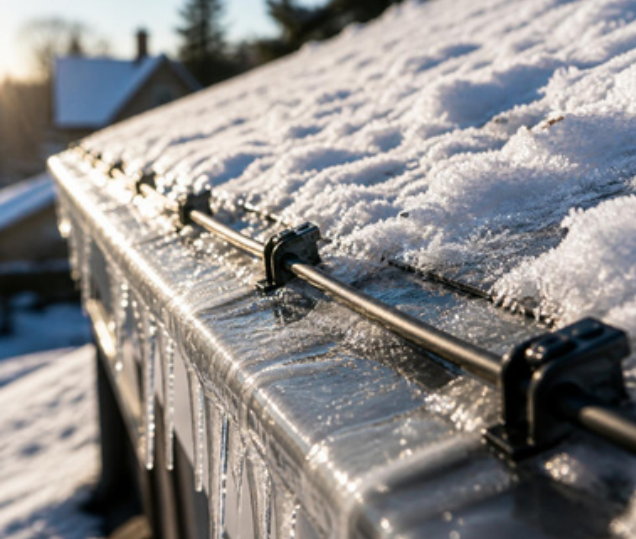
Roof, Gutter & Surface De-Icing
Ice buildup can obstruct roof drainage and affect access around a facility. RELCON helps customers evaluate roof and gutter de-icing alongside pavement and walkway
snow melting needs.
Planning focuses on:
- Drainage paths: Review roof edges, gutters, downspouts, and where meltwater will discharge.
- Priority surfaces: Identify entrances, walkways, ramps, and pavement areas that need attention.
- Operating conditions: Consider weather exposure, available power, and control requirements.
Roof drainage and pedestrian surfaces serve different purposes. Defining the area and intended result helps establish appropriate coverage and system requirements.
Heated Enclosures & Tubing Bundles
Instrumentation and small-diameter tubing may need temperature protection to support reliable cold-weather operation. RELCON helps customers evaluate heated enclosures and tubing bundles as part of the facility’s winterization plan.
Selection considers:
- Temperature needs: Define the conditions required for the instrument, tubing, or process fluid.
- Environmental exposure: Account for location, insulation, and surrounding weather conditions.
- Service access: Preserve access for inspection, calibration, and maintenance.
Planning new protection or reviewing an existing installation? Contact RELCON with your equipment details, temperature requirements, and winter operating concerns.
Industries We Serve
Winterization needs depend on how a facility operates, where equipment is located, and which systems must remain available during cold weather.
Protection planning for exposed process piping, valves, instrumentation, and equipment that supports production.
Freeze protection and de-icing considerations for building services, roof drainage, and pedestrian areas.
Winterization of exposed instrumentation, tubing, enclosures, and equipment associated with utility operations.
Why Facilities Partner With Relcon
RELCON brings heat tracing and related system support together to help customers prepare for demanding Midwest winters.
- 65+ Years of Experience: We apply decades of industrial expertise to your facility’s winterization needs.
- Coordinated Protection: We consider piping, instruments, controls, and exposed equipment in one winterization plan.
- Application-Focused Solutions: We match protection to operating temperatures, weather exposure, and site conditions.
- Ongoing Support: We help with planning, service questions, and changing facility requirements.
- O’Brien Partnership: We combine O’Brien products with application guidance to support your cold-weather protection needs.
Frequently Asked Questions About Winterization
How is winterization different from de-icing?
Winterization is the broader process of preparing equipment and systems for cold weather. De-icing and snow melting address ice or snow in specific locations, such as roof drainage paths or pavement.
When should we start planning winterization work?
Start early enough to review exposed systems, select equipment, and coordinate installation and testing before freezing weather arrives. Project timing depends on the scope and the facility’s operating schedule.
Can heat tracing protect fire sprinkler piping?
Heat tracing may be part of a freeze protection approach for certain fire sprinkler applications. Equipment selection and installation must be reviewed against the specific system and applicable requirements.
Can existing freeze protection systems be reviewed?
Yes. RELCON can discuss existing system conditions, documentation, and performance concerns to help identify the next steps for a review or service support.
What details help define a winterization project?
Useful information includes site location, equipment and piping details, temperature requirements, exposure conditions, insulation, available power, and existing controls. Drawings and photos help clarify the scope.
Prepare Your Facility for Winter With RELCON
Planning new protection or reviewing an existing system? Talk with our team about your facility’s winterization, freeze protection, and anti-icing needs