We support leak detection systems that help identify water, chemical, and fuel leaks before they become costly operational problems.
A leak can affect equipment, interrupt production, and spread into areas that are difficult to inspect. A practical detection strategy starts with understanding which liquids are present, where a leak could travel, and how the facility team needs to respond.
RELCON helps customers evaluate those requirements and develop a monitoring approach around their facility, from Raychem TraceTek technology selection to alarm integration and ongoing service support.
What Is a Leak Detection System?
A leak detection system uses sensing devices and monitoring equipment to identify the presence of a liquid in a protected area. Depending on the application and selected equipment, it can signal an alarm and help personnel locate the source of the problem.
The right solution depends on the liquid, the environment, the coverage area, and the response required. Sensing technologies must be selected for the specific application; one sensor does not detect every type of liquid.
Our Leak Detection Services
We help customers select sensing technology, plan coverage, and coordinate alarms so facility teams can identify leaks and respond before damage spreads. Our approach considers the liquid being monitored, potential leak paths, and the information operators need to take action.
Raychem TraceTek Leak Detection
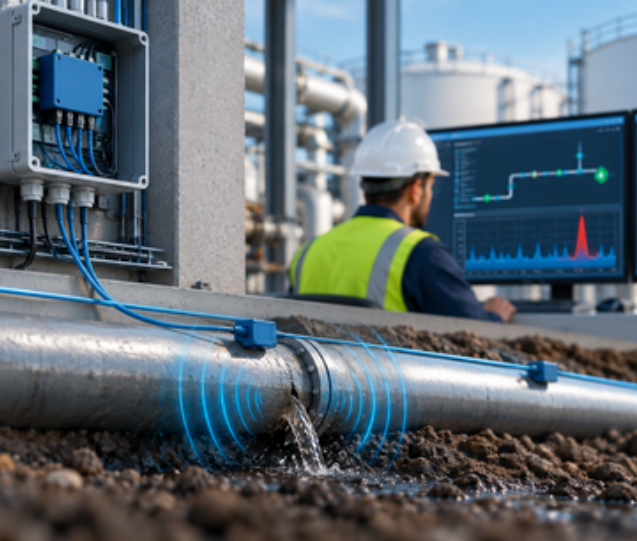
RELCON supports Raychem TraceTek systems configured around your facility’s equipment and operating conditions. Sensing cables provide coverage along a route, while point sensors monitor specific collection areas. Compatible locating equipment can help personnel identify where a leak has occurred.
We help customers evaluate:
- Coverage and placement: Position sensors around likely leak sources and vulnerable equipment.
- Equipment selection: Match sensing components and alarm modules to the application.
- Access and documentation: Plan accessible sensor routes, clear labels, and accurate system maps.
Thoughtful placement matters: sensors must be positioned where leaking liquid is likely to reach them.
Water, Chemical, and Hydrocarbon Monitoring
Different liquids require different sensing technologies. A sensor designed for water may not detect fuel, and chemical detection requires a review of the specific substance and its concentration.
RELCON helps customers evaluate:
- Water leaks: Monitoring near HVAC equipment, chilled-water piping, mechanical rooms, and sensitive equipment.
- Chemical leaks: Selecting compatible sensing technology for the liquids handled in process and storage areas.
- Fuel and hydrocarbon leaks: Monitoring around storage tanks, transfer piping, and generator fuel systems.
Selection also considers temperature, contamination, environmental exposure, and required response time. These details help determine which technology fits the
application.
Alarm and Monitoring Integration
A useful alarm tells operators where to investigate and what needs attention. RELCON helps customers plan how leak detection information connects with existing facility monitoring and response procedures. Planning
includes:
- Alarm information: Determine whether operators need a general warning, a monitored zone, or leak location details.
- System integration: Review compatible connections to building management systems or industrial controls.
- Response coordination: Identify who receives alarms and how they respond during staffed and unstaffed hours.
Where supported, distinguishing leak alarms from equipment or communication faults helps teams direct their response appropriately.
System Design and Service Support
Leak detection coverage should evolve as equipment, layouts, and operating requirements change. RELCON helps customers review new installations and existing
systems with attention to:
- Coverage and documentation: Compare sensor placement with potential leak paths and current facility drawings.
- Testing and maintenance: Plan checks based on the selected equipment and manufacturer’s instructions.
- Troubleshooting and expansion: Evaluate reported issues, component condition, and additional monitoring needs.
Planning a project or reviewing an existing system? Contact RELCON with your facility layout, liquid information, and operating concerns.
Industries We Serve
Leak detection priorities vary by facility. We help customers evaluate the systems, equipment, and operating areas that need attention.
Monitoring around process equipment, chemical handling areas, tanks, and liquid distribution systems
Water leak detection near mechanical equipment, building services, and areas containing sensitive equipment.
Application-specific monitoring where liquid fuels, hydrocarbons, or water leaks could affect operations.
Why Facilities Partner With Relcon
A useful leak detection system starts with the application and continues with a clear plan for operating and maintaining it.
- 65+ Years of Experience: We apply decades of industrial expertise to your facility’s leak detection needs
- Raychem Partnership: As a Raychem value-added representative, we support TraceTek technology selection and application.
- Application-Focused Selection: We match sensing technology to the liquid, environment, and area being protected.
- Practical Integration: We align leak detection with your facility’s alarm and monitoring systems.
- Ongoing Support: We help with service questions, troubleshooting, and changing system requirements.

Frequently Asked Questions About Leak Detection
Can one system detect water, chemicals, and fuel?
A project can include monitoring for different liquids, but the sensing technology must suit each application. The liquid and environmental conditions determine which sensors and equipment are appropriate.
Can leak detection connect to our existing monitoring system?
Integration depends on the interfaces supported by the selected leak detection equipment and the existing monitoring system. RELCON can help review those requirements during project planning.
Can a system identify where a leak is located?
Some configurations provide location information, while others indicate a monitored zone or alarm condition. The level of detail depends on the selected equipment and system layout.
What information should we provide for a new project?
Start with the liquids involved, facility layout, areas requiring coverage, environmental conditions, and existing alarm or monitoring equipment. Photos and drawings can help define the application.
Can RELCON help with an existing leak detection system?
RELCON provides system design and service support. Share the equipment information, available drawings, and the issue you are experiencing so our team can discuss the next steps.
Discuss Your Leak Detection Project With RELCON
Whether you are planning a new system or evaluating existing coverage, we can help you define the monitoring and support requirements for your facility.